15
Known Routes
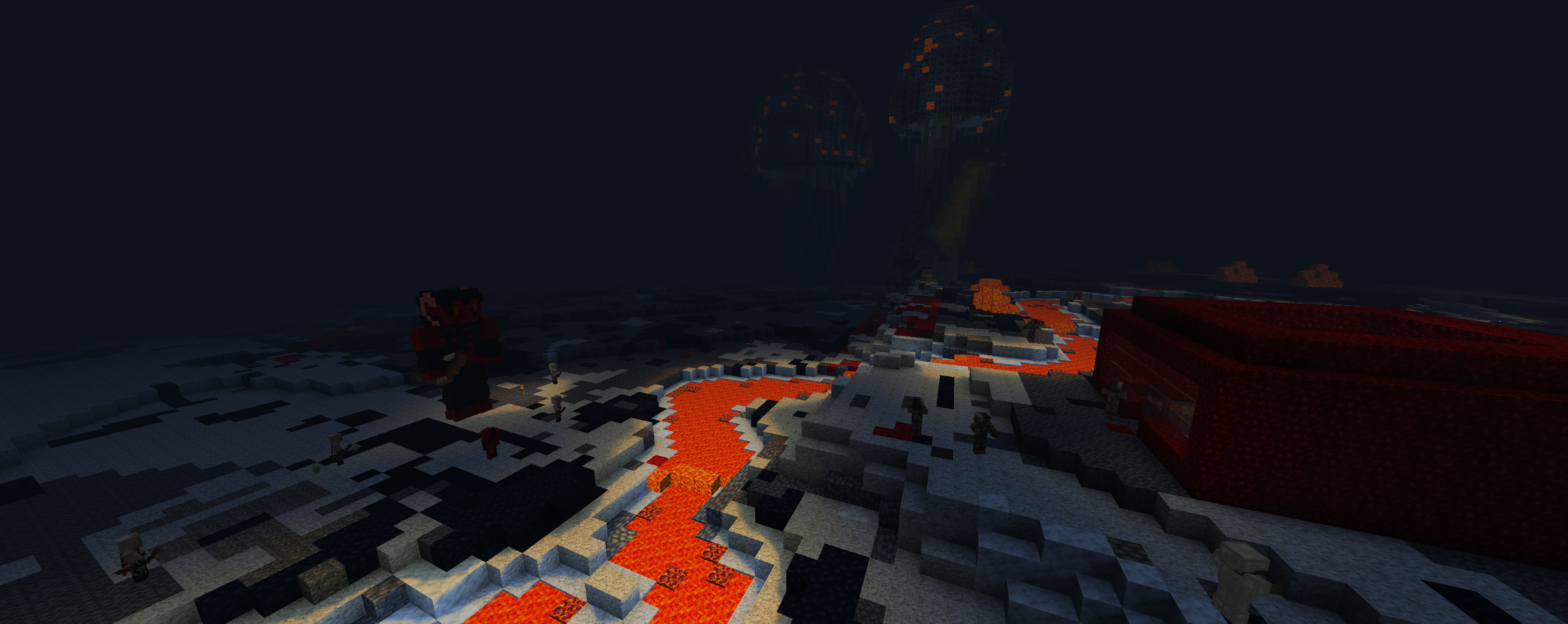
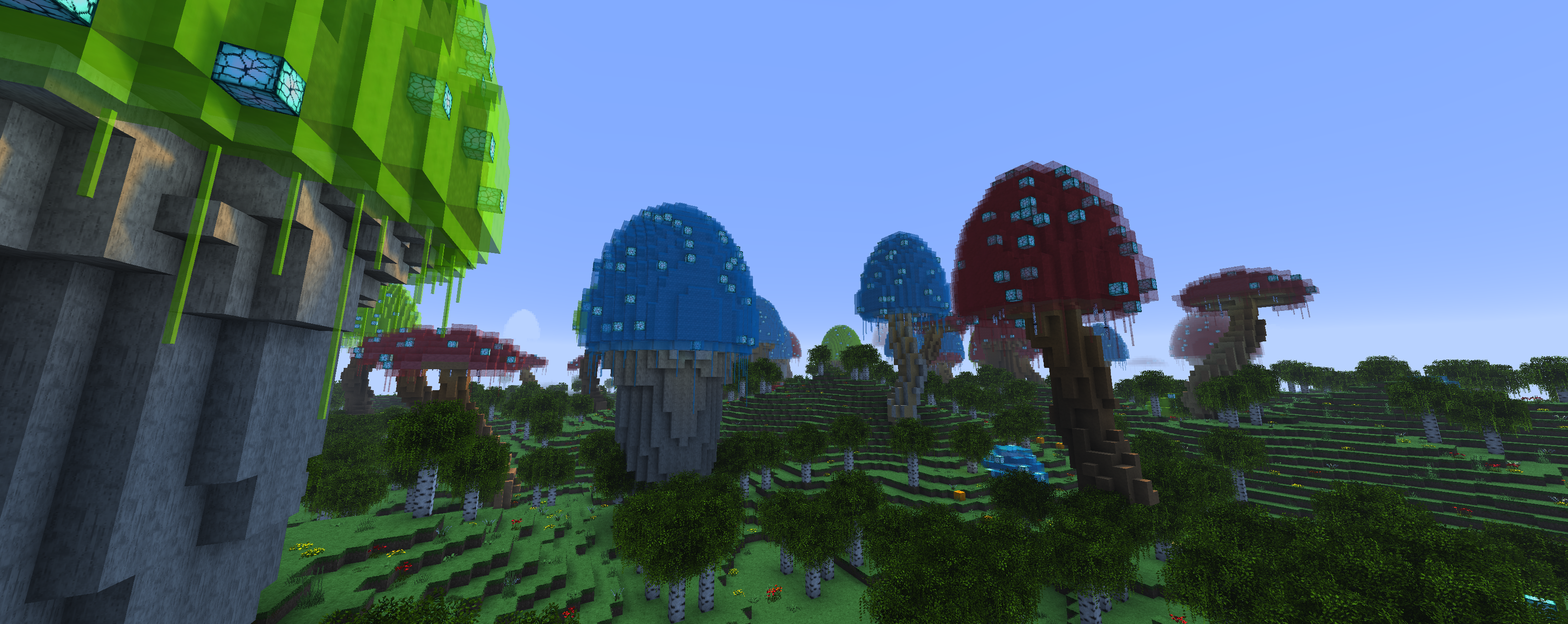
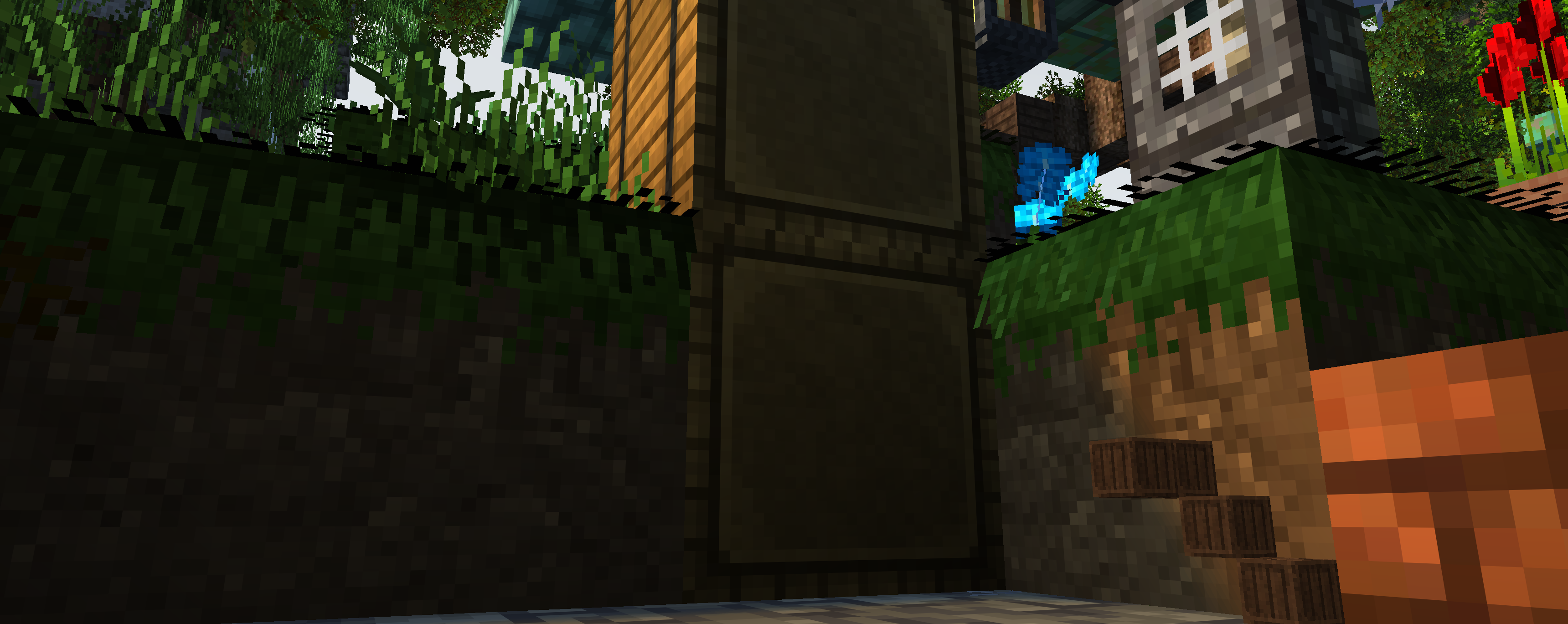
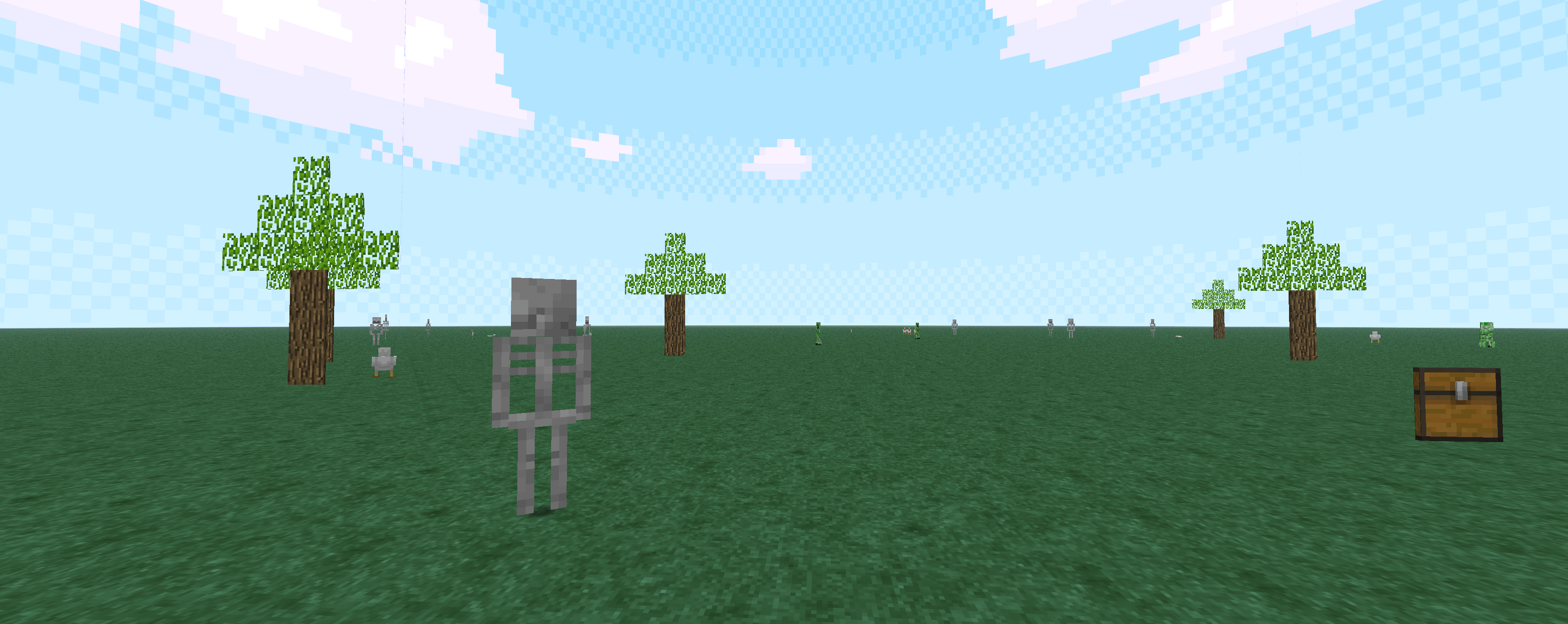
Current in-game dimensions we can show without spoiling sealed work.
Dimensional Atlas
Dimensions are tracked by how familiar they remain to our own reality, how far they sit from the Lumbridge origin coordinate, and what kind of profession runs they reward. Some are stable supply worlds, some are dungeon routes, and some are barely worlds at all.
Current in-game dimensions we can show without spoiling sealed work.
Familiar, neighboring, and twisted worlds define the main risk ladder.
World 404 marks the farthest confirmed coordinate Lumbridge can touch.
Lumbridge remains the home coordinate every other route is measured against.
Each dimension has its own rewards, risks, professions, and travel rules for anyone leaving Lumbridge.
Also known as The band of Ravens
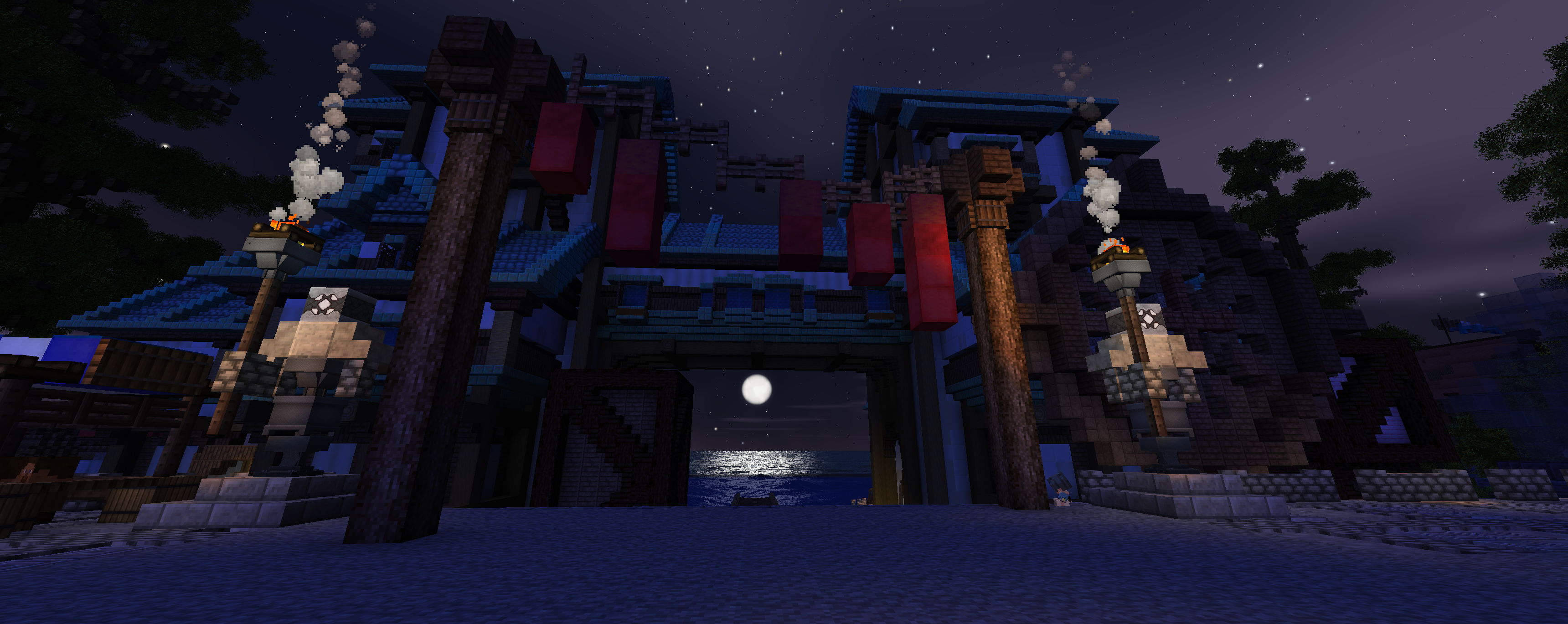
Lumbridge is the home world, an island-heavy dimension where time itself seems broken. Dimensional mages created a pocket dimension called "plots" to house the influx of adventurers.
Use it as the hub to purchase supplies, store cards, and to level professions in a safe area before pushing into more dangerous routes.
Dimensional mages mark Lumbridge as origin `(0,0)`, climb outward with larger coordinate values, and use decimals for sibling routes near a known anchor. The further a route drifts, the shorter and stranger the trip tends to become.
Current research sorts worlds into familiar, neighboring, and twisted categories based on how much of their dimensional DNA still resembles home. Relative or sister dimensions are not a fourth type so much as the closest nearby branch of a known coordinate.
Exploration is part of life in Lumbridge, but distance matters: more extreme coordinates reduce how long travelers can remain outside the origin world before being pulled back.
Dimensional Mage ||REDACTED||
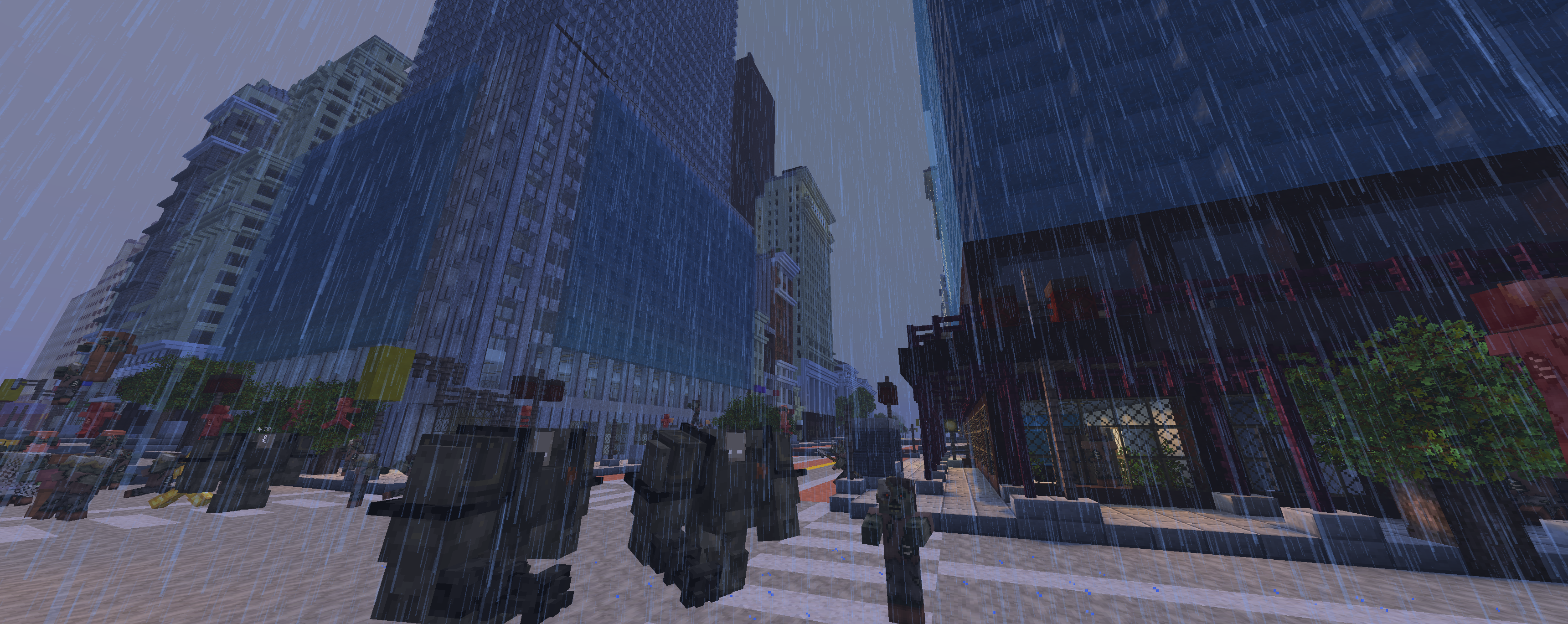
Familiar dimensions follow the same world DNA as Lumbridge or Earth-like routes and usually change history more than fundamental reality.
These are the safest places to gather recognizable materials and build consistent supply loops.
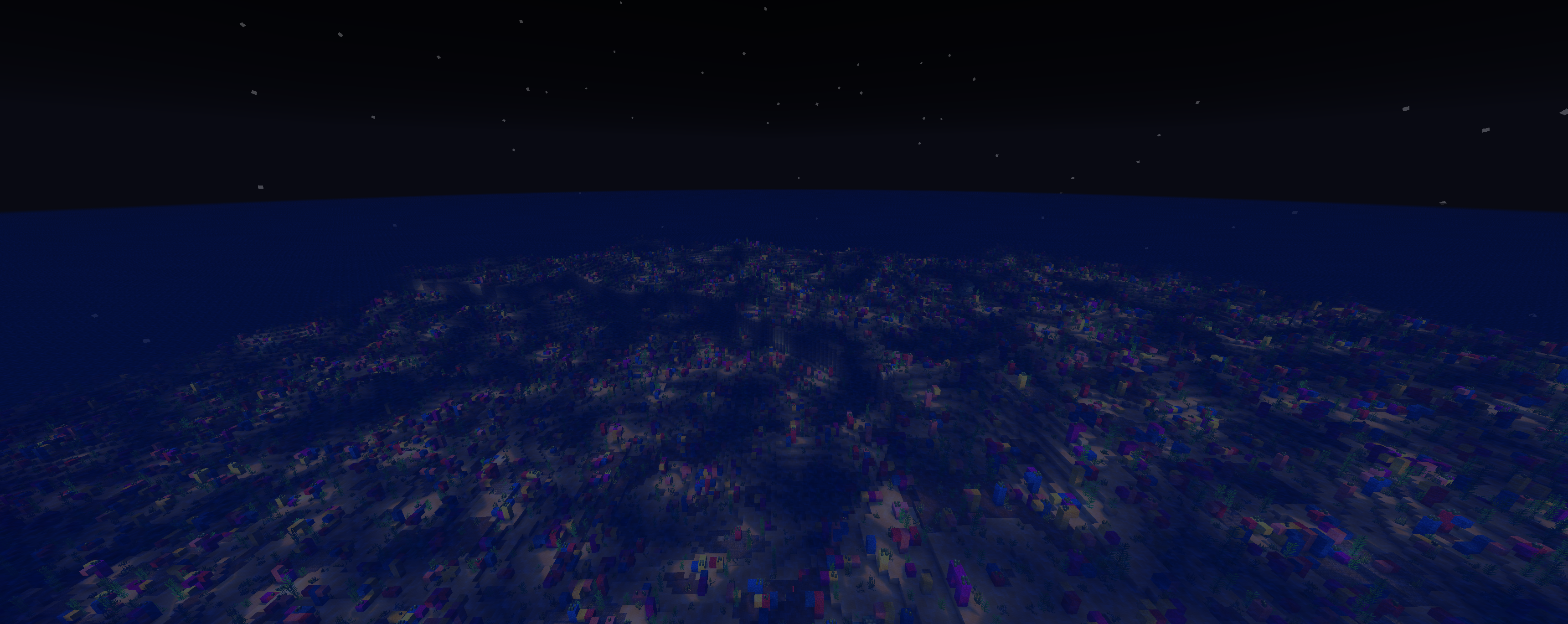
Neighboring dimensions loosely follow our patterns but introduce enough foreign matter, life, or magic that travelers must respect the route.
These are the classic expedition worlds: useful, strange, and risky without being fully alien.
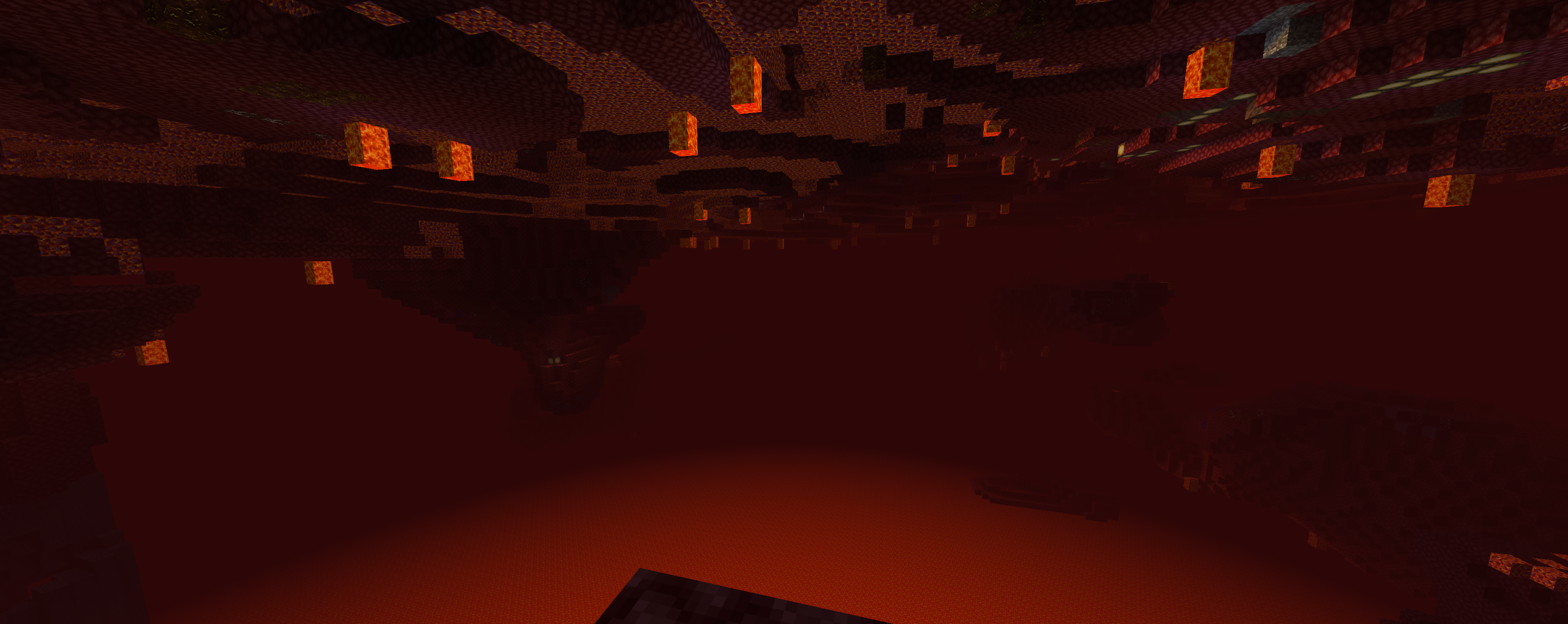
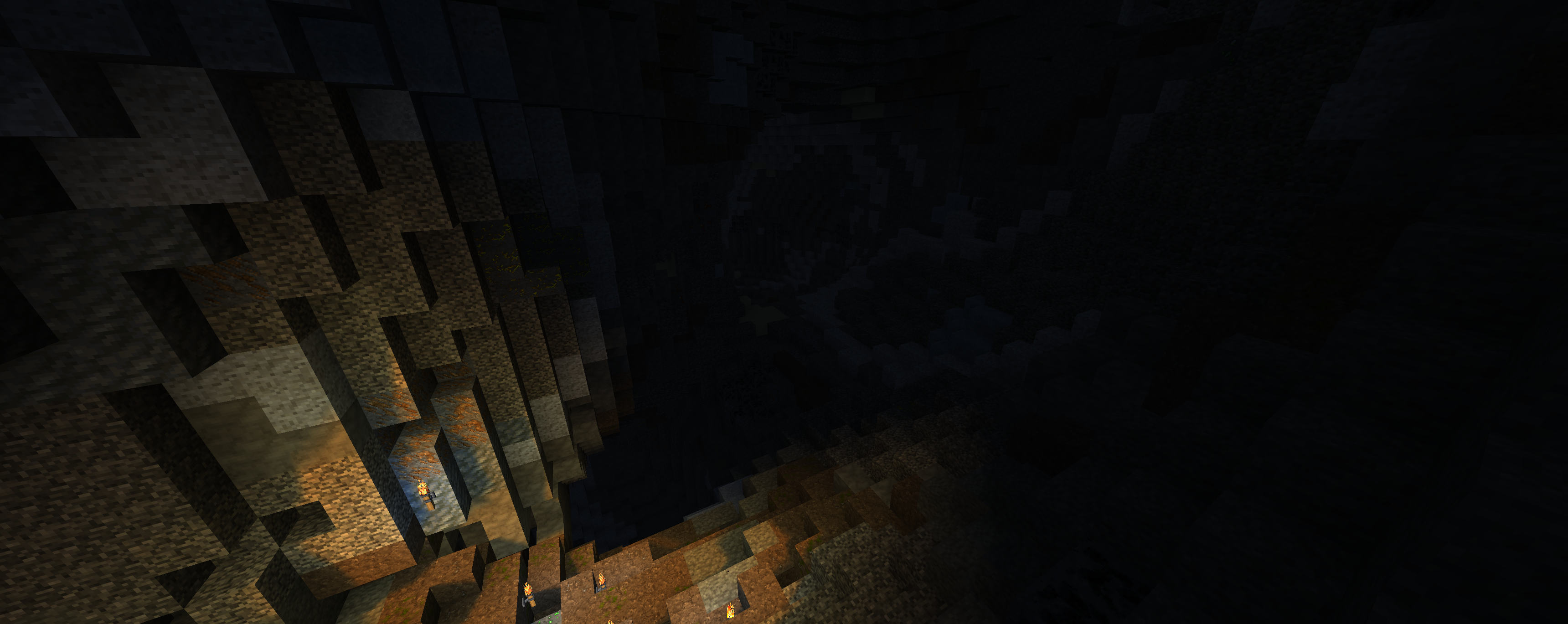
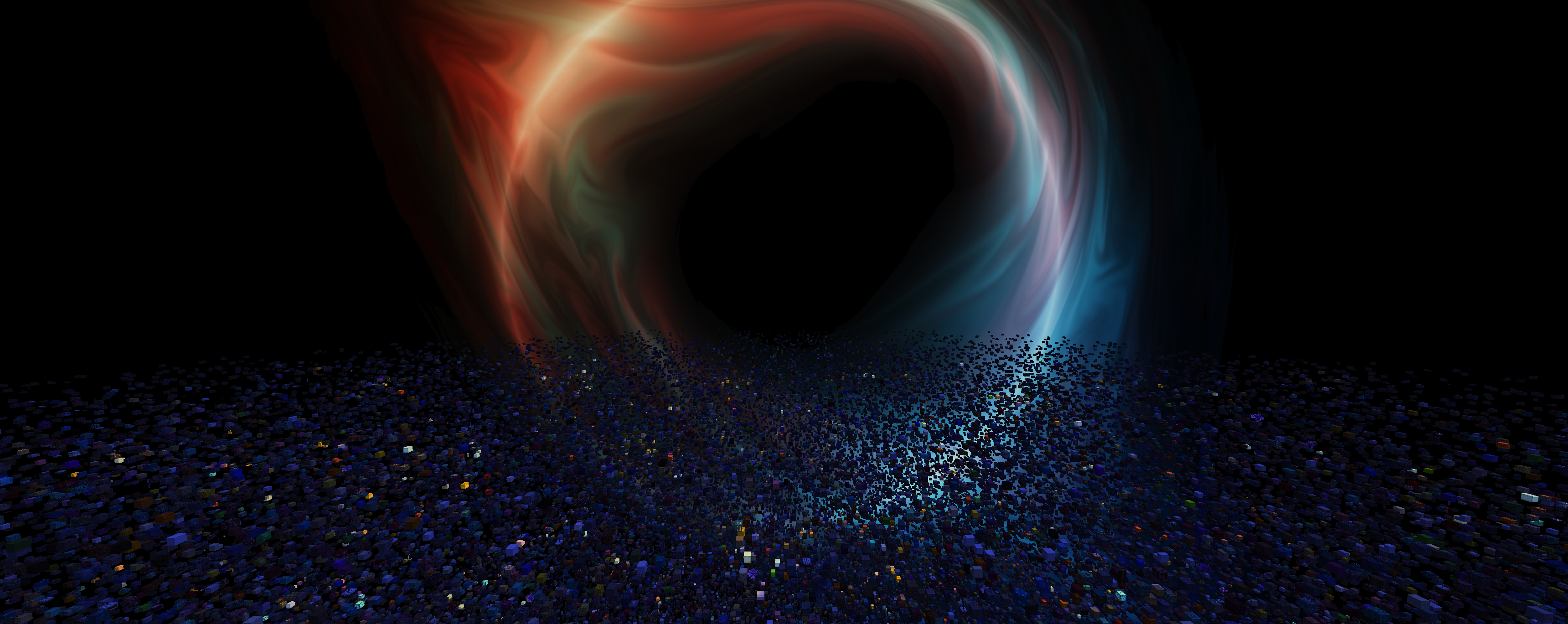
Twisted dimensions stop following any clear pattern, and the further they sit from origin, the less reality behaves like something Lumbridge should trust.
They are valuable, but they are where expedition notes start sounding like warnings instead of maps.
Relative dimensions are not a fourth type so much as the nearest possible variation of a known coordinate, often marked with decimals.
Decimals show nearby sibling routes rather than entirely new anchor worlds.